
Featured classic
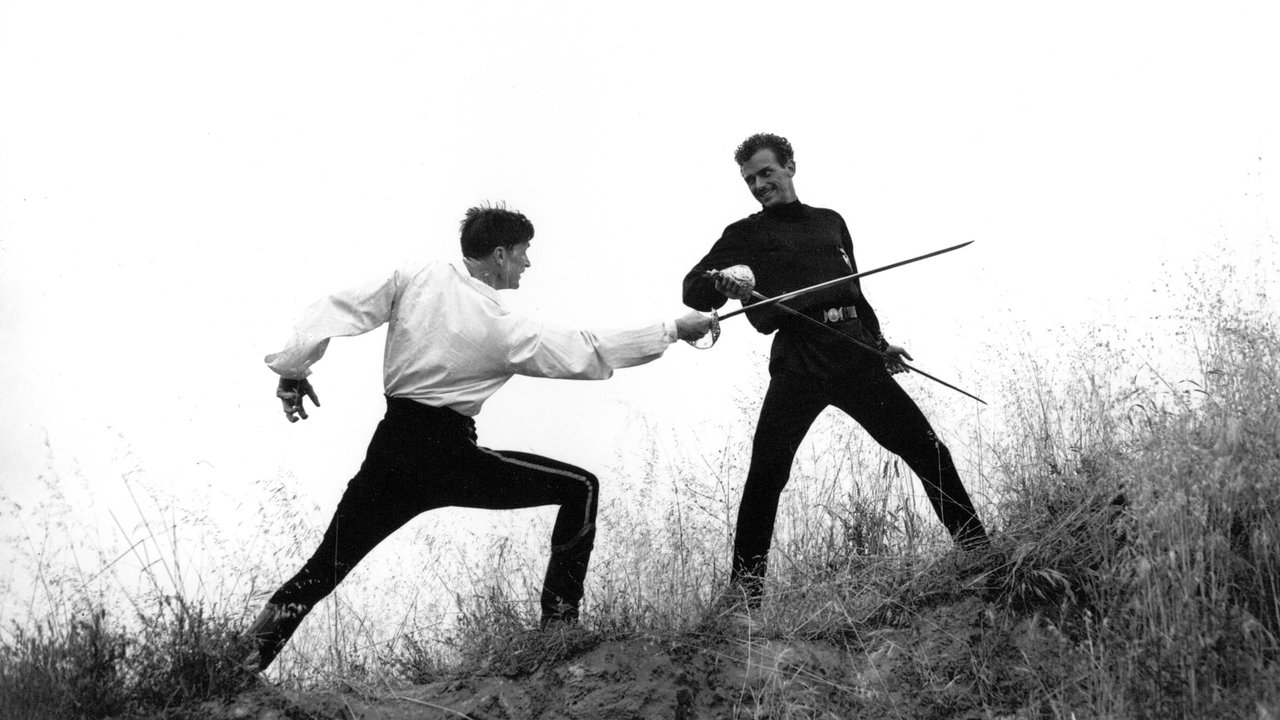
The Prisoner of Zenda
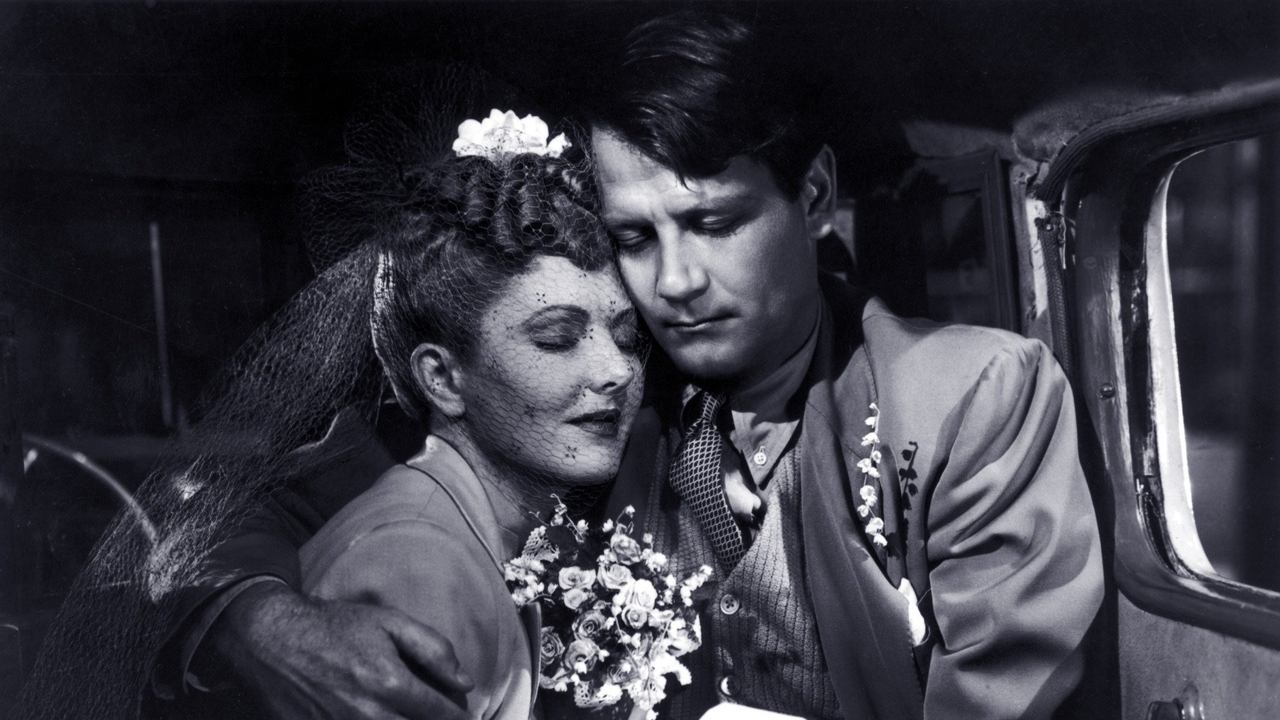
Rudolf Rassendyll, an Englishman on holiday in a small European kingdom, is the image of its king; when the king is spirited away on the eve of his coronation, Rudolf is crowned in his place, falls in love with Princess Flavia and…
Cineby GDN
183 English-language classics, 1930 to 1969, chosen for the whole household.
Top rated
View all ›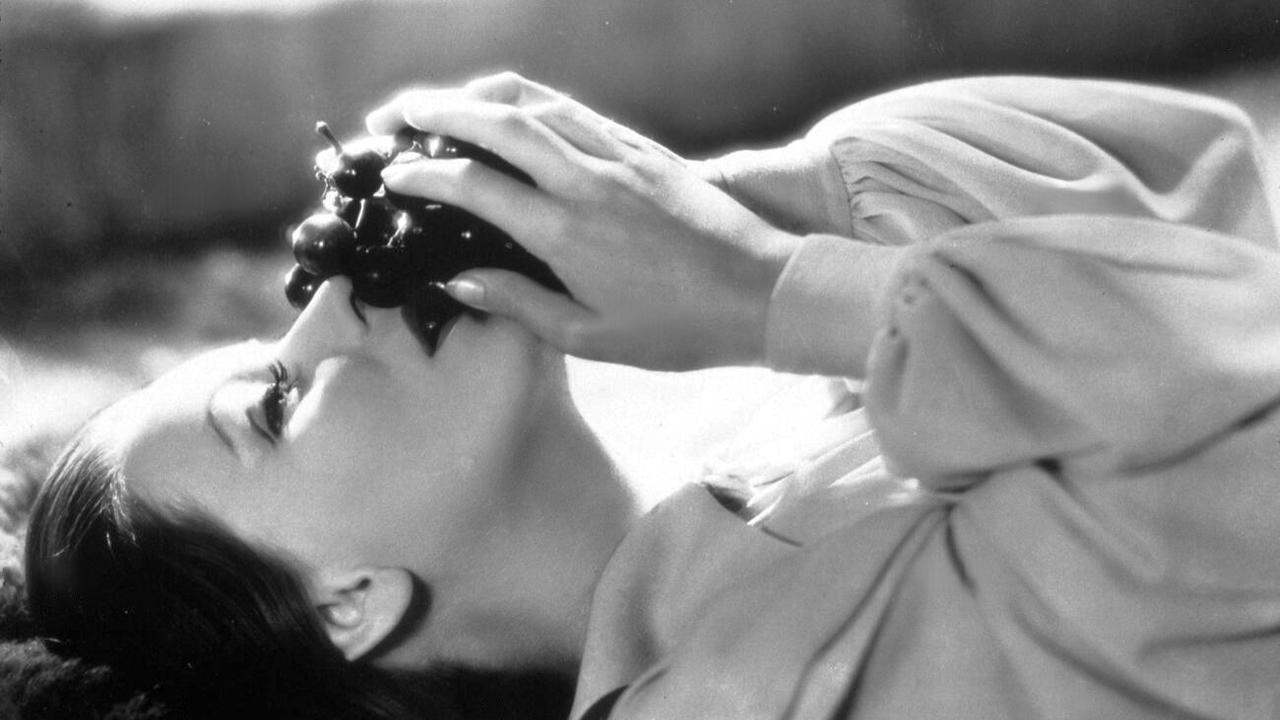
Comedy
View all ›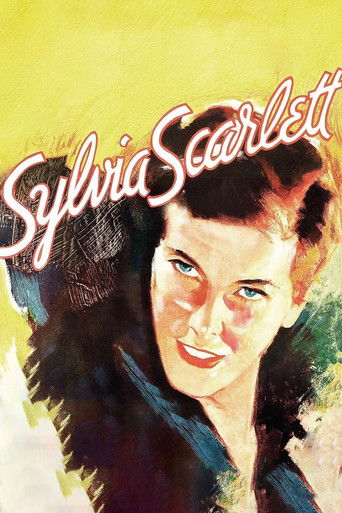 ★ 6.3
★ 6.3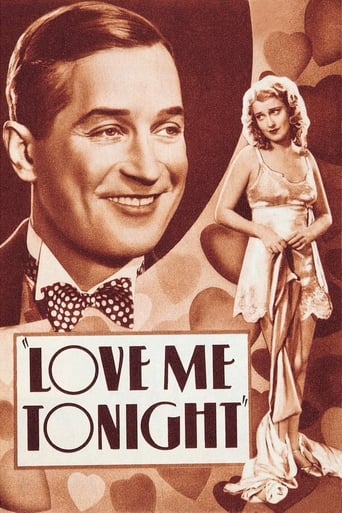 ★ 6.6
★ 6.6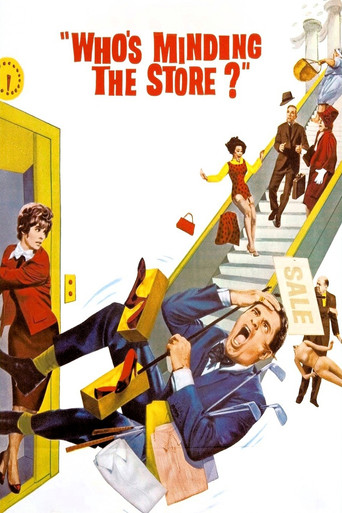 ★ 6.8
★ 6.8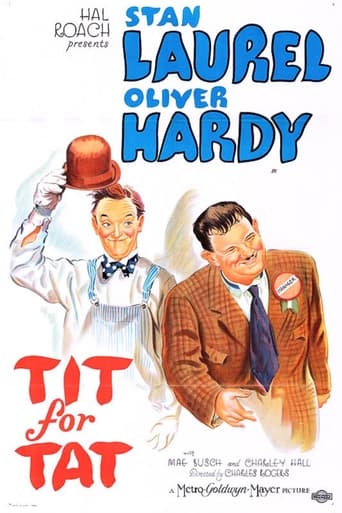 ★ 7.0
★ 7.0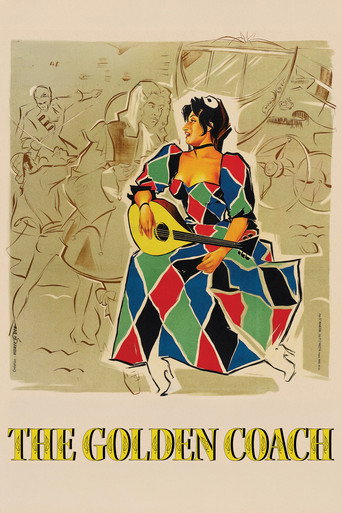 ★ 7.1
★ 7.1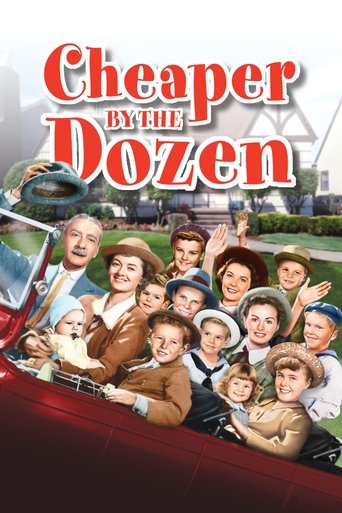 ★ 6.4
★ 6.4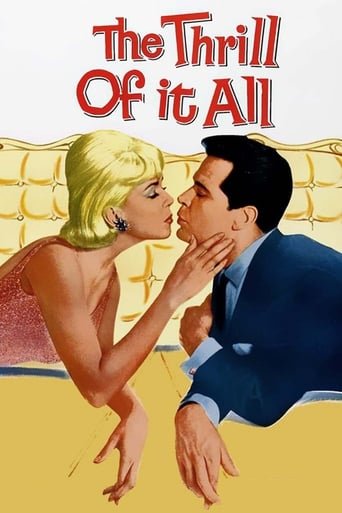 ★ 7.1
★ 7.1Musicals
View all ›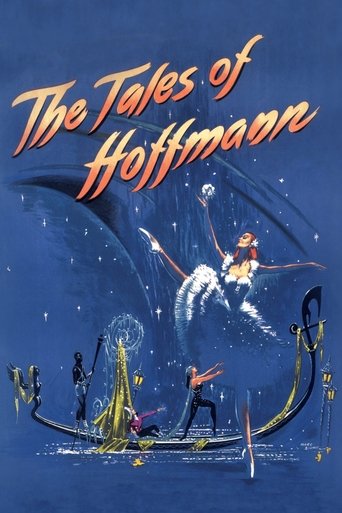 ★ 7.1
★ 7.1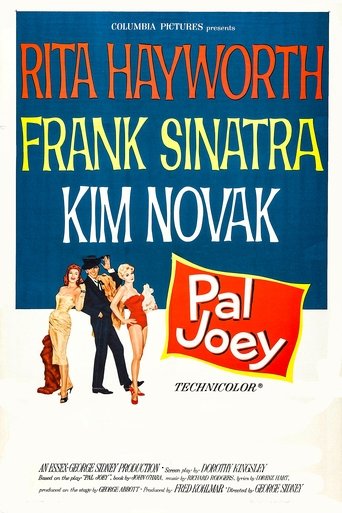 ★ 6.3
★ 6.3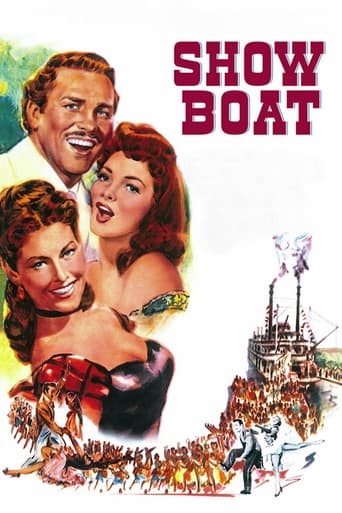 ★ 6.2
★ 6.2 ★ 7.0
★ 7.0 ★ 6.5
★ 6.5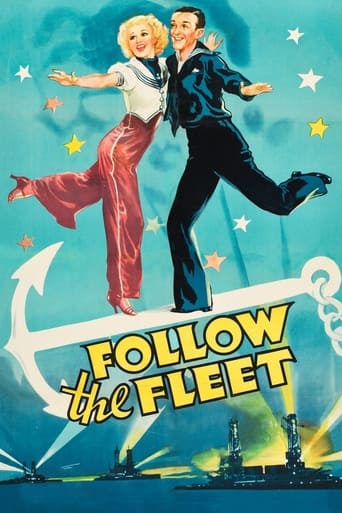 ★ 6.9
★ 6.9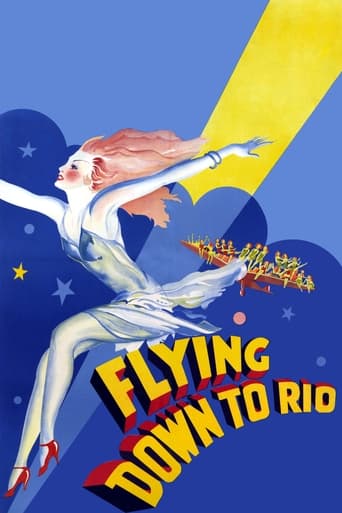 ★ 6.3
★ 6.3Romance
View all ›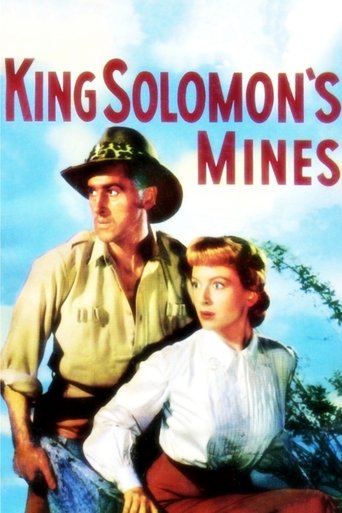 ★ 6.5
★ 6.5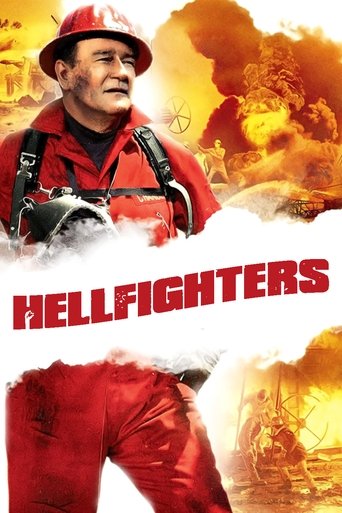 ★ 6.3
★ 6.3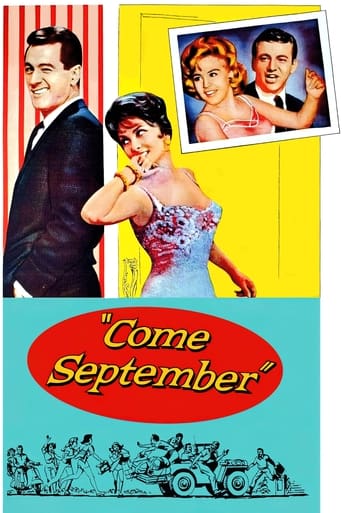 ★ 6.8
★ 6.8 ★ 6.4
★ 6.4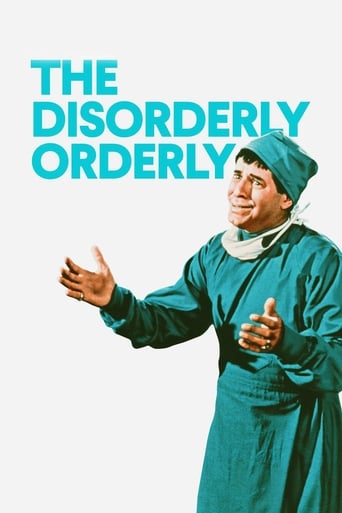 ★ 6.3
★ 6.3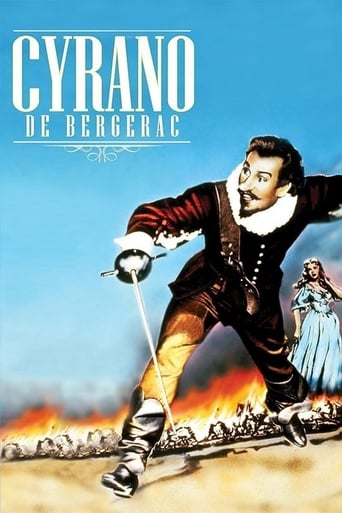 ★ 6.9
★ 6.9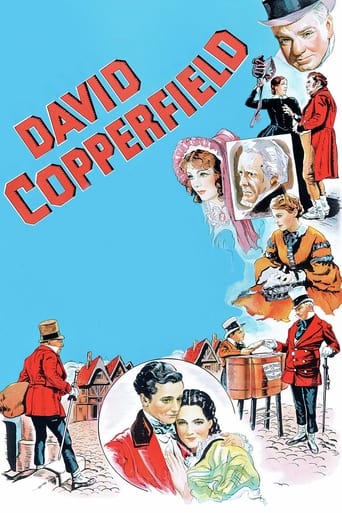 ★ 6.7
★ 6.7Laurel and Hardy
View all ›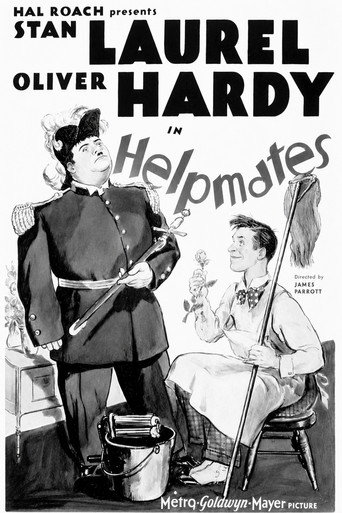 ★ 7.3
★ 7.3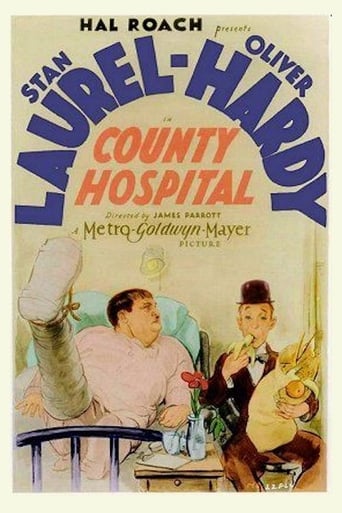 ★ 6.8
★ 6.8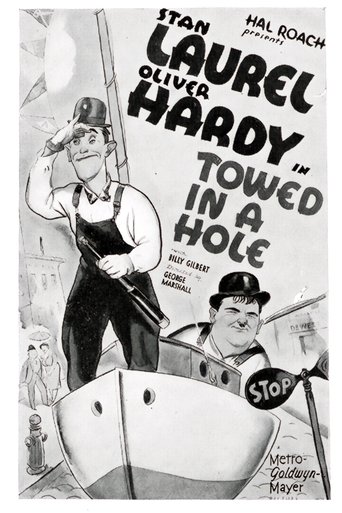 ★ 7.0
★ 7.0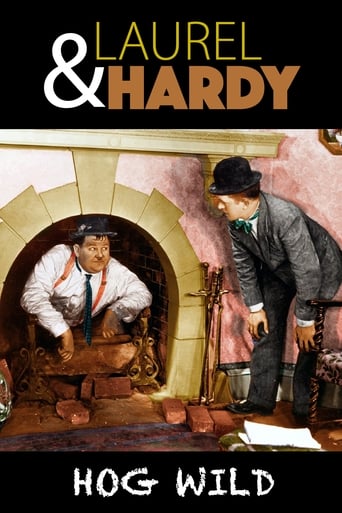 ★ 7.0
★ 7.0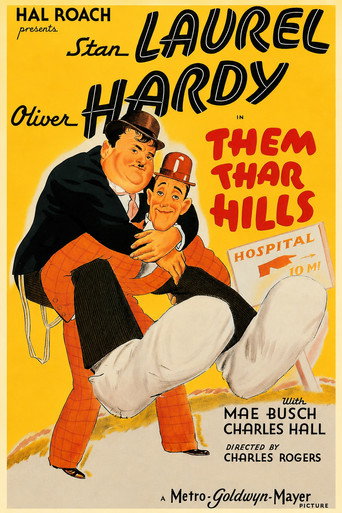 ★ 7.5
★ 7.5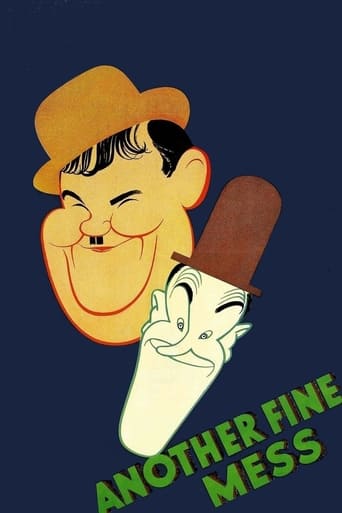 ★ 6.9
★ 6.9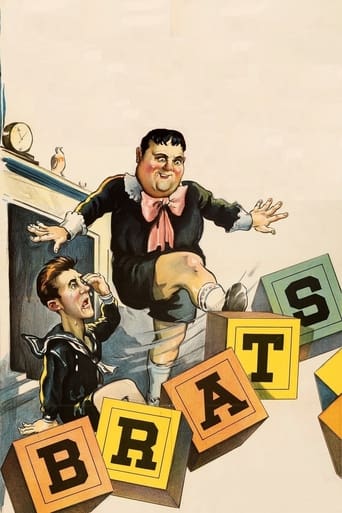 ★ 6.8
★ 6.8Family
View all ›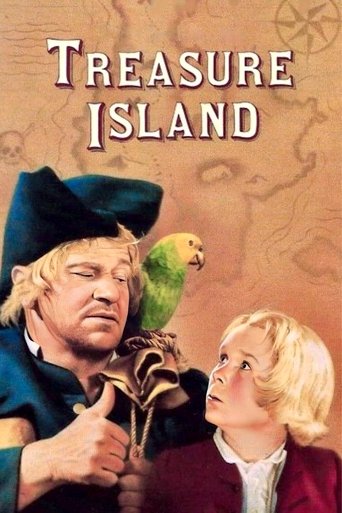 ★ 6.5
★ 6.5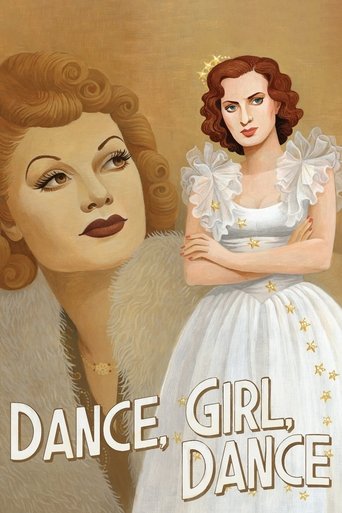 ★ 6.4
★ 6.4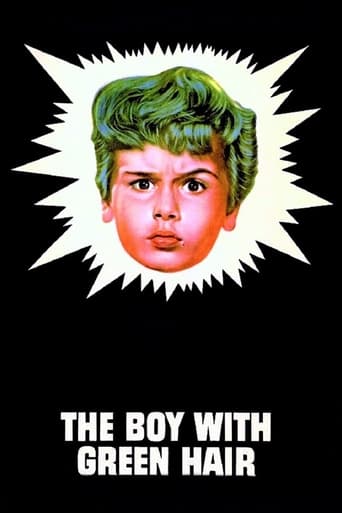 ★ 6.2
★ 6.2 ★ 6.7
★ 6.7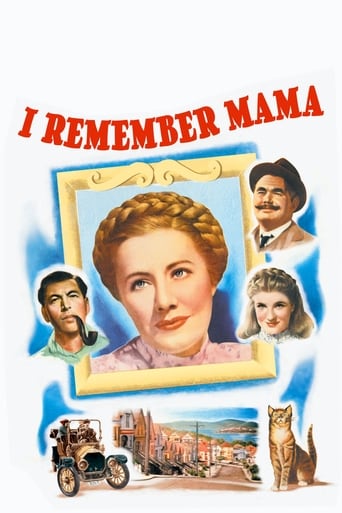 ★ 7.2
★ 7.2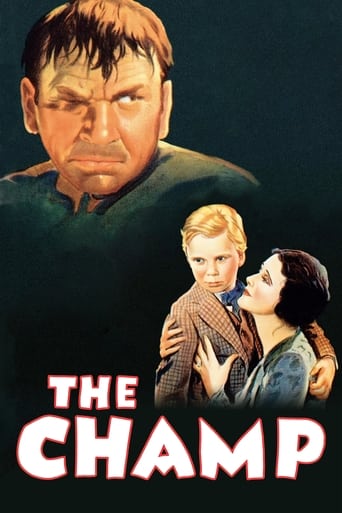 ★ 7.1
★ 7.1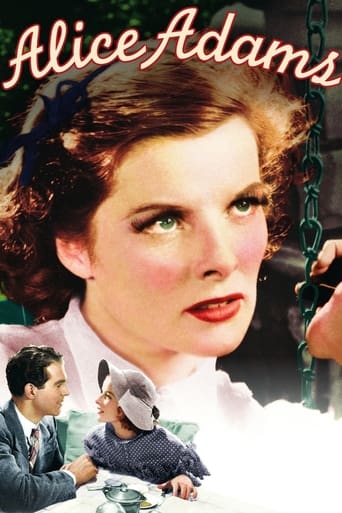 ★ 6.7
★ 6.7British films
View all › ★ 7.0
★ 7.0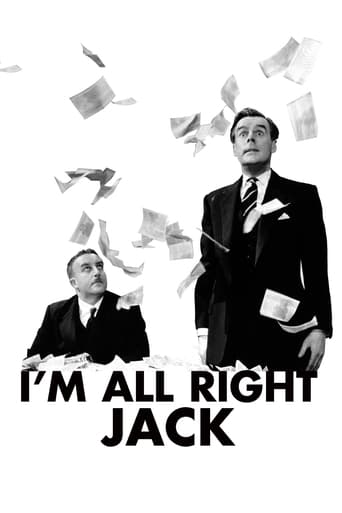 ★ 6.6
★ 6.6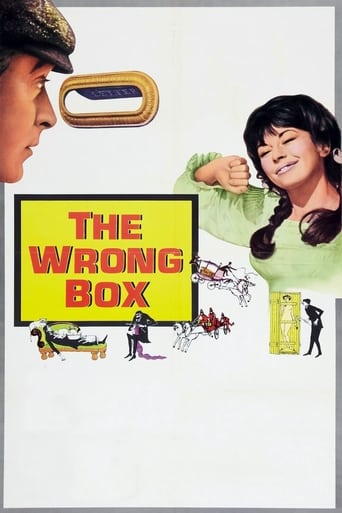 ★ 6.4
★ 6.4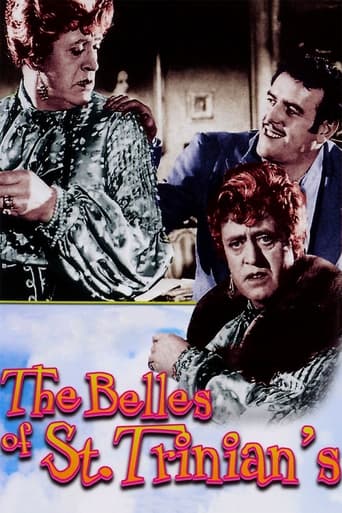 ★ 6.4
★ 6.4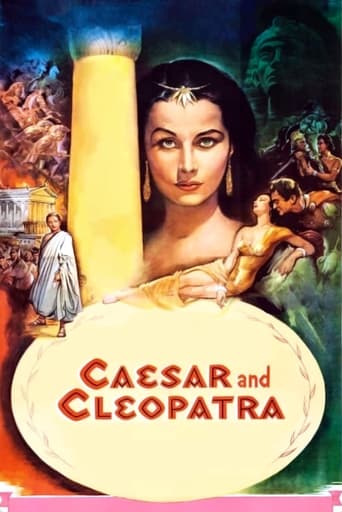 ★ 6.2
★ 6.2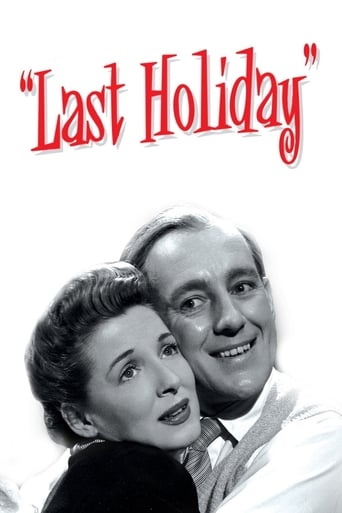 ★ 7.1
★ 7.1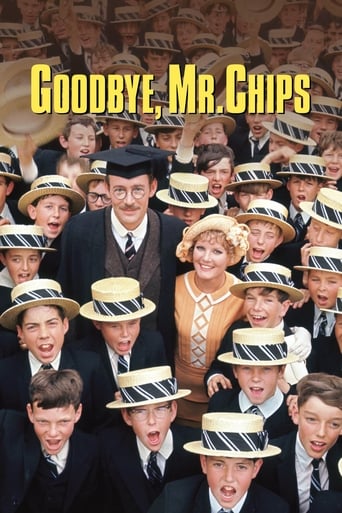 ★ 6.8
★ 6.8The Cineby GDN guide to classic films
Cineby GDN: classic films from The Prisoner of Zenda, The More the Merrier and The Thrill of It All to Love Me Tonight, Show Boat and Passport to Pimlico
Between the coming of sound and the end of the sixties, the studios of Hollywood and Britain turned out entertainment at a rate that remains unequalled. A star might make four films in a year, a director five, and a team such as Laurel and Hardy a new comedy every few weeks. A few hundred of those films are shown again and again. Thousands more wait quietly behind them, and many are every bit as funny, tuneful and well made. Cineby GDN is a guide to 183 of them: English-language classics made between 1930 and 1969. Each has its own page, its story, its director and cast, and a Watch now button that leads to the official services carrying it in your country.
The catalogue has been chosen for the whole household. Every film was read through by hand, and the selection favours comedy, musicals, romance and stories with children at their centre. Crime pictures, horror, films of the battlefield, westerns and titles that lean on the caricatures of their day were left out. What remains is the classic cinema at its most welcoming: a king's double fencing his way down a castle staircase, three strangers sharing one small flat in crowded Washington, a London street that discovers it belongs to Burgundy, and two gentlemen in bowler hats attempting to tidy a house before a wife comes home.
This guide explains how the catalogue is arranged, which films make the best first evening, and how the lists, the search field and My List work together. Every title it names is a link to that film's page.
What Cineby GDN offers
Cineby GDN is a viewing guide. Each of its 183 film pages carries a poster, a still, the story in a paragraph, the year, the running time, the director and the principal cast. Beneath them sits one button, Watch now, which opens JustWatch for the country you select and shows the subscription, rental, purchase and free services that carry the film there. The guide itself holds pages of information, and the playing of every film happens on those official services.
The films span forty years. Ninety-two date from the thirties, the decade when sound was new and the studios were at their most prolific. Thirty-four come from the forties, twenty-nine from the fifties and twenty-eight from the sixties. By kind, 130 are comedies or carry comedy within them, eighty-seven are romances, sixty-nine are dramas, thirty-eight are musicals or stories of musicians, fifty-eight have children or family life at their centre, and seventeen are adventures or costume films. Twenty-five were made in British studios. Thirty are short comedies of forty-five minutes or less, twenty-two of them by Laurel and Hardy, who have a list of their own.
The home page is arranged in rows. At the top stands a featured classic with its still, year and rating. Beneath it come four wide stills from the top-rated list, and then rows of posters: comedy, musicals, romance, Laurel and Hardy, family and British films. Each poster carries its rating in the corner, and each row ends in a View all link to the full list.
A first evening
For a first evening, three films recommend themselves. The adventure is The Prisoner of Zenda, made by David O. Selznick's studio in 1937 and still the best of the many versions. Ronald Colman plays Rudolf Rassendyll, an English gentleman on a fishing holiday in a small European kingdom, who happens to be the image of its king. When the king is spirited away on the eve of his coronation, Rassendyll is persuaded to be crowned in his place, and promptly falls in love with the king's betrothed, Princess Flavia, played by Madeleine Carroll. Douglas Fairbanks Jr. is the smiling rogue Rupert of Hentzau, and their duel through the castle is among the finest ever filmed.
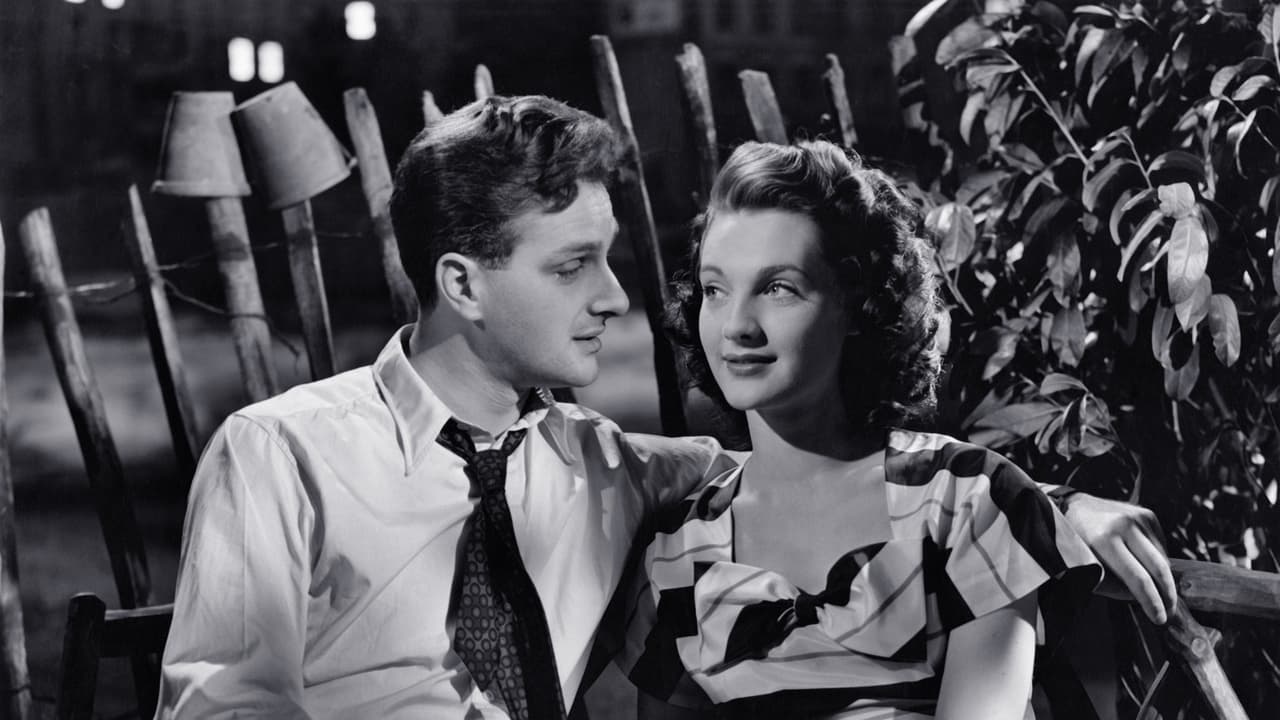
The comedy is The More the Merrier, directed by George Stevens in 1943. Washington is so crowded that Connie Milligan, played by Jean Arthur, does her patriotic duty and sublets half her flat. Her tenant is Mr Dingle, an elderly gentleman of great cheerfulness played by Charles Coburn, who at once sublets half of his half to a young engineer, Joel McCrea, and devotes himself to bringing the two young people together. The morning routine, timed by Connie to the minute and wrecked by Mr Dingle in seconds, is a small masterpiece, and Coburn won the Academy Award for best supporting actor.
The British film is Passport to Pimlico, an Ealing comedy of 1949. An old charter comes to light in a London street and proves that the district of Pimlico has belonged, since the fifteenth century, to the Duchy of Burgundy. The residents, weary of rationing and regulations, declare themselves Burgundians, tear up their ration books and open the pubs all day, and Whitehall responds with customs posts and barbed wire. Stanley Holloway leads the street and Margaret Rutherford is the delighted professor of history. It is a film about neighbours, and one of the most loved comedies Britain has produced.
Any one of the three shows what the catalogue is for. Each also leads onward: Zenda to Cyrano de Bergerac and Queen Christina, Stevens to Alice Adams and I Remember Mama, and Ealing to Barnacle Bill and Last Holiday.
Screwball and the comedy of the thirties
The comedy guide opens with the form the thirties invented: fast talk, wealthy households in disarray, and heroines quicker than the men around them. Theodora Goes Wild, from 1936, gave Irene Dunne her first comic part and an Academy Award nomination. Theodora Lynn plays the church organ in a small Connecticut town and lives with two aunts who keep the local literary circle respectable; she is also, under another name, the author of the daring novel the circle is busy condemning. When her New York illustrator, played by Melvyn Douglas, follows her home and teases her into admitting who she is, Theodora decides to follow him to the city and return the favour.
Merrily We Live, from 1938, belongs to the same family. Constance Bennett is the daughter of a household whose mother, played by Billie Burke, collects tramps in order to reform them; the latest, Brian Aherne, is hired as chauffeur and turns out to be something else entirely. Burke was nominated for an Academy Award. In It's Love I'm After, from 1937, Leslie Howard and Bette Davis play a pair of stage stars who quarrel through every performance of Romeo and Juliet and have postponed their wedding eleven times, while a starstruck heiress played by Olivia de Havilland pursues him and his valet, Eric Blore, tries to keep order.
Frank Capra's Platinum Blonde, from 1931, is an early example: a newspaperman marries into a grand family and finds himself, as he puts it, a bird in a gilded cage, while the colleague who loves him, played by Loretta Young, waits. Jean Harlow has the title part. Harlow appears again in Wife vs. Secretary, with Clark Gable as a publisher, Myrna Loy as his wife and Harlow as the efficient secretary whom everyone but the husband suspects, and in Saratoga, a racetrack comedy that proved to be her last film.
Ginger Rogers, apart from her dancing, was one of the decade's best comediennes. Rafter Romance, from 1933, has a neat premise: a landlord with two tenants behind on the rent puts them in the same attic, she to have it by night and he by day, and the two, who have yet to meet, carry on a feud by notes and booby traps while falling for each other at the office. Romance in Manhattan pairs her with Francis Lederer as a hopeful newcomer to New York. Jean Arthur, the other great voice of the period, stars in More Than a Secretary and, a few years on, in The Impatient Years.
The decade's romantic comedies also include Thirty Day Princess, in which Sylvia Sidney plays both a visiting princess and the actress hired to impersonate her, with Cary Grant as the newspaper publisher who is taken in; The Good Fairy, written by Preston Sturges and directed by William Wyler, in which Margaret Sullavan's innocent cinema usherette picks a lawyer's name from the telephone book and changes his life; Love on the Run, with Joan Crawford and Clark Gable racing across Europe; Café Metropole, with Tyrone Power and Loretta Young in Paris; and Double Harness, in which Ann Harding sets out to marry William Powell by design and stays for love.
Preston Sturges turned director in 1940 with The Great McGinty, the tale of a drifter who rises through city politics to the governor's mansion and is undone by one honest act; it won him the Academy Award for original screenplay. If I Had a Million, from 1932, is a different kind of treat: a dying tycoon picks eight names from the directory and gives each a million dollars, and eight directors, Ernst Lubitsch among them, show what happens. Charles Laughton's episode, a clerk climbing many flights of stairs to deliver a message to his employer, lasts two minutes and is perfect.
The clowns
Around the talkers stand the clowns. Harold Lloyd's Feet First, from 1930, sends his shoe salesman up the side of a Los Angeles building in a mail sack, a thrill sequence to rival his silent classics. W.C. Fields appears three times: in Million Dollar Legs, a glorious piece of nonsense in which he is president of the tiny republic of Klopstokia and enters its people, all of them superb athletes, in the Olympic Games; in The Old-Fashioned Way, as the Great McGonigle, manager of a travelling theatre troupe one step ahead of the landlady; and in the two-reel The Barber Shop.
Britain's Will Hay, the seedy schoolmaster of the music halls, has two of his best vehicles here with his partners Moore Marriott and Graham Moffatt: Windbag the Sailor, in which a canal bargeman who boasts of ocean voyages is given a ship, and Where's That Fire, in which the least competent fire brigade in England tries to save its station. Norman Wisdom's The Early Bird, from 1965, pits a small dairy and its horse-drawn float against a giant rival.
Jerry Lewis is seen with Dean Martin in Sailor Beware and on his own in two of his best films for the director Frank Tashlin, a former cartoonist with a cartoonist's eye: Who's Minding the Store?, set in a department store where a demonstration of a vacuum cleaner goes splendidly wrong, and The Disorderly Orderly, set in a sanatorium. And Buster Keaton, at seventy, crosses Canada from coast to coast on a tiny rail maintenance car in The Railrodder, a wordless short of 1965 that shows his timing wholly intact.
Laurel and Hardy
Twenty-three films on Cineby GDN star Stan Laurel and Oliver Hardy, and the Laurel and Hardy guide suggests an order. All but one are the short comedies they made for Hal Roach between 1930 and 1935, the years when they moved from silence to sound and found that their characters needed very little dialogue: a look to the camera from Ollie, a scratch of the head from Stan, and the slow, courteous exchange of mishaps for which they are famous.
Helpmates, from 1932, is the place to begin. Ollie's wife is due home at noon, the house is a wreck after a party, and he telephones Stan to come and help clean up. Twenty minutes later there is very little house. Towed in a Hole, from the same year, has the boys buying an old boat to catch their own fish and spending an afternoon painting, sawing and soaking each other in a boatyard. Hog Wild puts a radio aerial on a roof, with Ollie spending most of the film in the garden pond. In Brats, through oversized sets and trick photography, they play both themselves and their own small sons, who refuse to go quietly to bed.
Two films form a pair. In Them Thar Hills, from 1934, Ollie is ordered to the mountains for his health, and the well beside their caravan turns out to make everyone unusually merry; a motorist and his wife stop for petrol and a dispute follows. In Tit for Tat, a year later, the boys open an electrical shop and find that the grocer next door is the same motorist, Charlie Hall. The exchange of indignities, each man waiting politely for the other to finish, was nominated for an Academy Award.
The rest show their range. Laughing Gravy is the name of the small dog they hide from their landlord on a snowy night. County Hospital has Stan visiting Ollie, who is in bed with his leg in plaster, and bringing hard-boiled eggs and nuts. Their First Mistake leaves the two of them in charge of a baby. The Chimp pays them off from a bankrupt circus with a flea circus and a gorilla. Our Wife is an elopement by ladder, Any Old Port! ends in a boxing ring, Be Big! is a struggle with a pair of riding boots, and Twice Two has each of them playing the other's wife. Night Owls, Another Fine Mess, Dirty Work, Me and My Pal, The Midnight Patrol, The Fixer Uppers, One Good Turn and Thicker Than Water complete the shorts, and Bonnie Scotland, from 1935, is the feature: the boys arrive in Scotland to collect an inheritance and find themselves enlisted in a Highland regiment.
Other short films
The short films guide covers the remaining one- and two-reelers, which make good openers before a feature. Hal Roach's Our Gang children appear in Teacher's Pet, from 1930, which introduces the kindly Miss Crabtree, and in Bored of Education, which won the Academy Award for short subject in 1936 with Spanky and Alfalfa attempting to dodge the first day of school. Robert Benchley's How to Sleep, another Academy Award winner, is a mock lecture delivered with a perfectly straight face. Penny Wisdom, in early Technicolor, has a newspaper cookery expert rescuing a dinner party. Heavenly Music sends a swing bandleader to a celestial hall of composers, and Goodbye, Miss Turlock is a ten-minute tribute to a country schoolteacher.
Musicals
Thirty-eight films sing or dance, and the musicals guide sorts them. The earliest masterpieces come from Paramount. Rouben Mamoulian's Love Me Tonight, from 1932, opens with Paris waking up, each sound of the street joining a rhythm, and then passes a Rodgers and Hart melody from a tailor's shop to a taxi, a train, a troop of soldiers and a gypsy camp until it reaches a princess on her balcony. Maurice Chevalier is the tailor and Jeanette MacDonald the princess, and many historians of the musical place the film first of all. The same pair star for Ernst Lubitsch in The Merry Widow, from 1934, with its great waltz through mirrored halls. Lubitsch's Monte Carlo has MacDonald singing Beyond the Blue Horizon from a train window as the peasants in the fields take up the chorus, and his The Smiling Lieutenant gives Chevalier a wink that is mistaken by a visiting princess.
At Warner Brothers, Busby Berkeley turned dancers into kaleidoscopes. Dames, from 1934, contains I Only Have Eyes for You, in which Dick Powell sees Ruby Keeler's face on everyone in the subway, and Gold Diggers of 1935 contains the Lullaby of Broadway, a whole short story told in dance. Fashions of 1934, with William Powell and Bette Davis, has its ostrich-feather harp number. At RKO, Flying Down to Rio, from 1933, is remembered for two things: chorus girls dancing on the wings of aeroplanes, and a pair of supporting players named Fred Astaire and Ginger Rogers who danced the Carioca and stole the picture. Follow the Fleet, three years later, has them as stars with an Irving Berlin score that includes Let's Face the Music and Dance.
Musicals of the forties, fifties and sixties
Stormy Weather, from 1943, gathers the greatest African American entertainers of the age into seventy-eight minutes: Lena Horne sings the title song, Bill Robinson taps, Cab Calloway leads his band, Fats Waller plays, and the Nicholas Brothers descend a giant staircase in leaping splits in a number Fred Astaire called the finest he had seen on film. King of Jazz, from 1930, is a revue in early two-colour Technicolor built around Paul Whiteman's orchestra, with the young Bing Crosby among the singers.
MGM's Technicolor years are represented by Show Boat, the 1951 version with Kathryn Grayson, Howard Keel and Ava Gardner, and William Warfield's noble singing of Ol' Man River; by Take Me Out to the Ball Game, with Gene Kelly and Frank Sinatra as ballplayers and Esther Williams as the owner of their team; and by It's Always Fair Weather, from 1955, in which Kelly dances through the streets on roller skates and three old friends tap with dustbin lids on their feet. Kelly stars again in George Cukor's Les Girls, with Cole Porter's last film score, Kay Kendall at her funniest, and three versions of the same story told in a London courtroom. Lili, from 1953, is smaller and dearer: Leslie Caron's orphan joins a carnival and pours out her heart to its puppets, unaware of the lonely puppeteer behind the curtain. Its song, Hi-Lili, Hi-Lo, went round the world.
Michael Powell and Emeric Pressburger's The Tales of Hoffmann, from 1951, is opera as pure cinema: Offenbach's three tales of a poet's loves, sung throughout, danced by Moira Shearer and Robert Helpmann, and designed in colours that glow. Maytime, from 1937, is the best of the Jeanette MacDonald and Nelson Eddy operettas, with John Barrymore as the impresario between them.
Three films tell the lives of musicians. Rhapsody in Blue follows George Gershwin from Tin Pan Alley to the concert hall, with Oscar Levant and Al Jolson as themselves and the music played complete. The Eddy Duchin Story has Tyrone Power as the society pianist and Kim Novak as his wife. Young Man with a Horn, with Kirk Douglas as a trumpeter, Doris Day as the singer who believes in him and Harry James playing the solos, is loosely drawn from the life of Bix Beiderbecke. Humoresque gives John Garfield a violin, played on the soundtrack by Isaac Stern, and Joan Crawford as his patron. Paris Blues, from 1961, sets Paul Newman and Sidney Poitier among the jazz clubs of the Left Bank, with a Duke Ellington score and Louis Armstrong dropping in for a session.
Television and the stage contributed too. Mary Martin's Peter Pan, broadcast in colour in 1960, preserves her celebrated Broadway performance, and Rodgers and Hammerstein's Cinderella, from 1965, stars Lesley Ann Warren with Ginger Rogers and Walter Pidgeon as the queen and king. Disney's The Happiest Millionaire, from 1967, is a family musical set in a Philadelphia mansion complete with alligators, and Summer Magic gives Hayley Mills and Burl Ives a yellow house in Maine and a set of Sherman Brothers songs. Pal Joey, with Frank Sinatra, Rita Hayworth and Kim Novak, carries the Rodgers and Hart standards, and Goodbye, Mr. Chips, the 1969 musical with Peter O'Toole as the shy schoolmaster and Petula Clark as the actress he marries, earned O'Toole an Academy Award nomination.
Romance
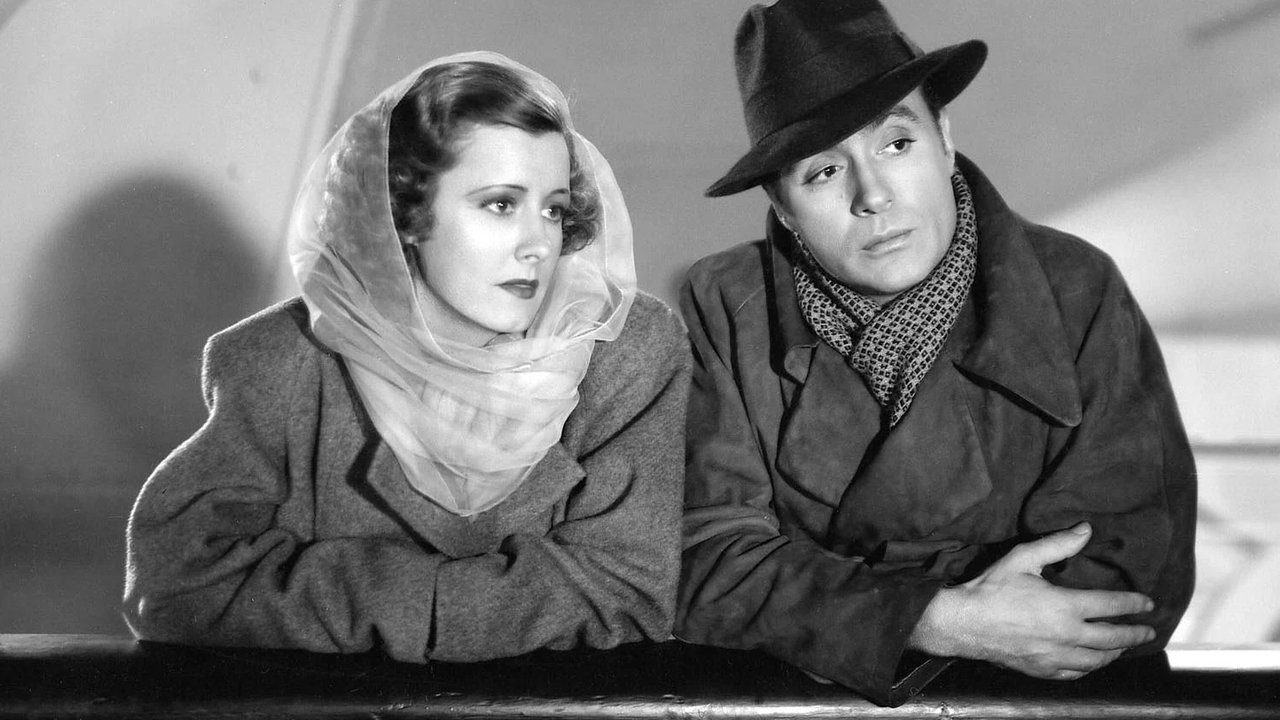
Eighty-seven films are love stories, and the romance guide begins with Leo McCarey's Love Affair, from 1939. Irene Dunne and Charles Boyer meet on an ocean liner, each promised to someone else, and agree that if they still feel the same in six months they will meet at the top of the Empire State Building. McCarey remade it himself as An Affair to Remember, and many who know both prefer the lightness of the first. Vincente Minnelli's The Clock, from 1945, is its wartime cousin: a soldier with two days of leave, played by Robert Walker, meets an office girl, played by Judy Garland in her first purely dramatic part, under the clock at Pennsylvania Station, and they have forty-eight hours to find, lose and marry each other in a city of seven million.
Hold Back the Dawn, from 1941, written by Billy Wilder and Charles Brackett, casts Boyer as a European dancer waiting in a Mexican border town who courts a visiting American schoolteacher, played by Olivia de Havilland, for the sake of an entry permit, and then discovers that he means every word. Intermezzo: A Love Story introduced Ingrid Bergman to American audiences as a young pianist beside Leslie Howard's violinist. Next Time We Love is the first pairing of Margaret Sullavan and James Stewart, as a young couple pulled apart by their two careers. Kitty Foyle won Ginger Rogers the Academy Award for best actress as a Philadelphia working girl looking back on her choices, and Lydia and Enchantment both look back across a lifetime to a first love.
The lighter romances of the sixties make easy company. In Come September, Rock Hudson's wealthy American arrives at his Italian villa a month early and finds that his butler has been running it as a hotel; Gina Lollobrigida, Sandra Dee and Bobby Darin are among the guests. In It Started in Naples, Clark Gable's lawyer and Sophia Loren's singer dispute the upbringing of a streetwise nine-year-old on Capri. Sunday in New York gives Jane Fonda a rainy afternoon and a stranger's raincoat. Dear Heart is the gentlest of them: Geraldine Page as a small-town postmistress at a New York convention and Glenn Ford as the salesman who slowly sees her, to a Henry Mancini tune. That Funny Feeling and The Pleasure of His Company, with Fred Astaire as a charming absentee father back for his daughter's wedding, round out the shelf.
Doris Day and the comedies of the sixties
Three films star Doris Day. The Thrill of It All, from 1963, written by Carl Reiner and directed by Norman Jewison, is one of her very best. Beverly Boyer, a doctor's wife and mother of two, tells a true story about her children and a bar of Happy Soap at a dinner party; the soap magnate hires her on the spot to repeat it on live television for eighty thousand dollars a year, and her husband, played by James Garner, finds his household turned upside down. The scene in which he drives his convertible into a swimming pool that was absent that morning is justly famous. The Glass Bottom Boat, from 1966, has her as a tour guide at a space laboratory who is mistaken for a spy, with Rod Taylor, Dom DeLuise and a kitchen full of gadgets, and in Young Man with a Horn she sings.
Jack Lemmon's Good Neighbor Sam, from 1964, makes an advertising man pose as the husband of his wife's best friend so that she can inherit a fortune, just as his firm's most upright client takes an interest in his family life. The Brass Bottle gives Tony Randall an antique jar with Burl Ives inside it as an over-eager genie, and suggested a famous television series soon after. Paper Lion, from 1968, is drawn from the journalist George Plimpton's real experiment of joining the Detroit Lions as a quarterback in training, with Alan Alda as Plimpton and the team's players as themselves. Popi, from 1969, stars Alan Arkin as a widowed father in New York's Spanish Harlem who works three jobs and devises an extravagant plan to give his two sons a better life.
Children and family films
Fifty-eight films have children at their centre, and the family guide lists them. The thirties excelled at filming the classics of the nursery bookshelf. George Cukor's David Copperfield, from 1935, is the best Dickens the studios ever made, with Freddie Bartholomew as the boy, Edna May Oliver as Aunt Betsey, Basil Rathbone as Mr Murdstone and W.C. Fields, in a part he was born for, as Mr Micawber. Bartholomew returned the following year as Little Lord Fauntleroy, the American boy who inherits an English earldom and melts his grandfather. Treasure Island, from 1934, has Wallace Beery as Long John Silver and Jackie Cooper as Jim Hawkins, and The Adventures of Tom Sawyer, from 1938, was the first telling of Mark Twain in Technicolor, with a cave sequence designed by William Cameron Menzies.
Beery and Cooper first met in The Champ, King Vidor's 1931 story of a small boy's faith in his father, a former boxing champion; Beery won the Academy Award. Shirley Temple, the biggest box-office star in the world for four years running, appears in four films: Poor Little Rich Girl, in which a soap tycoon's daughter wanders off and joins a vaudeville act; Stowaway, in which she sails from Shanghai and brings two grown-ups together; Rebecca of Sunnybrook Farm, in which she becomes a radio star; and Little Miss Broadway, set in a hotel for theatrical performers, with Jimmy Durante.
From the forties and fifties come I Remember Mama, George Stevens's loving portrait of a Norwegian family in San Francisco around 1910, with Irene Dunne as the mother who steers them all on a carpenter's wages; Cheaper by the Dozen, the true story of the efficiency expert Frank Gilbreth, his wife Lillian and their twelve children, with Clifton Webb and Myrna Loy; The Egg and I, in which Claudette Colbert and Fred MacMurray take up chicken farming and meet their neighbours Ma and Pa Kettle, who went on to a series of their own, including Ma and Pa Kettle Back on the Farm; and The Boy with Green Hair, Joseph Losey's Technicolor fable about a boy who wakes up different and the town that has to get used to him. Elephant Boy, filmed partly in India by Robert Flaherty, made a star of thirteen-year-old Sabu as Kipling's Toomai. And the 1968 Heidi, with Michael Redgrave as the grandfather and Maximilian Schell, was filmed in the Swiss Alps.
Dramas and star turns
The drama guide collects the sixty-nine films of a more serious cast, though few are solemn. King Vidor's The Citadel, from 1938, made in Britain from A.J. Cronin's novel, follows a young doctor, played by Robert Donat, from a Welsh mining village to a fashionable London practice and back to his ideals; its picture of medicine helped shape public opinion before the founding of the National Health Service. Vidor's Our Daily Bread, from 1934, which he financed himself, shows a group of city families making a farm work together and ends with the digging of an irrigation ditch, cut like a piece of music. His The Stranger's Return brings a city granddaughter home to Lionel Barrymore's Iowa farm.
Katharine Hepburn won her first Academy Award for Morning Glory, from 1933, as a stage-struck girl from Vermont, and gave perhaps her most touching early performance in Alice Adams, as a small-town girl straining to keep up appearances; the dinner party at which everything goes wrong is both funny and painful. Greta Garbo's Queen Christina, from 1934, has the seventeenth-century Queen of Sweden travelling in disguise and sharing an inn with the Spanish ambassador, and closes on the most famous close-up in pictures. Bette Davis is seen at both ends of her career, as a spirited young heiress in The Golden Arrow and as a former Academy Award winner facing a new chapter in The Star. Madame Curie reunites Greer Garson and Walter Pidgeon as the discoverers of radium, The Stratton Story has James Stewart as the baseball pitcher Monty Stratton, and The Long Gray Line is John Ford's affectionate chronicle of fifty years in the life of an Irish instructor at West Point.
British films
Twenty-five films come from British studios, and the British guide introduces them. Ealing, the small studio on the green in west London, supplies Passport to Pimlico and Barnacle Bill, in which Alec Guinness plays the last of a long line of naval officers, a man who suffers from seasickness and so takes command of an amusement pier, registers it as a ship and steers it through a storm of council regulations. Guinness also stars in Last Holiday, written by J.B. Priestley: an agricultural salesman, told by his doctor that he has only weeks left, draws out his savings and goes to a grand seaside hotel, where his new frankness makes him sought after by everyone.
The Million Pound Note, from 1954, is Mark Twain in Technicolor: two wealthy brothers hand a penniless American, played by Gregory Peck, a banknote for a million pounds and wager on whether he can live for a month on its mere appearance. The Belles of St Trinian's, from the same year, brings Ronald Searle's cartoon schoolgirls to the screen, with Alastair Sim as both the headmistress, Miss Fritton, and her bookmaker brother, and Joyce Grenfell as an undercover policewoman on the games staff. I'm All Right Jack, the Boulting brothers' satire of 1959, sends Ian Carmichael's innocent graduate onto the shop floor of his uncle's factory, where Peter Sellers's shop steward, Fred Kite, watches every move; Sellers won the British Academy award.
The Mouse on the Moon, directed by Richard Lester in 1963, returns to the tiny Duchy of Grand Fenwick, whose local wine turns out to be an excellent rocket fuel, with Margaret Rutherford as the Grand Duchess. Bryan Forbes's The Wrong Box, from 1966, is a Victorian farce from Robert Louis Stevenson about two elderly brothers, the last members of a lottery of long life, with John Mills, Ralph Richardson, Michael Caine, Peter Cook, Dudley Moore and Peter Sellers. Ladies Who Do lets a group of office cleaners, led by Peggy Mount, make a fortune from the contents of the waste-paper baskets.
Earlier British films include St. Martin's Lane, with Charles Laughton as a London street entertainer and Vivien Leigh as the girl he trains; two early works by Carol Reed, Bank Holiday and Penny Paradise; A Yank at Oxford, with Robert Taylor; The Amazing Quest of Ernest Bliss, in which Cary Grant's idle millionaire bets that he can earn his own living for a year; Alexander Korda's Technicolor An Ideal Husband from Oscar Wilde; Gabriel Pascal's Caesar and Cleopatra from Bernard Shaw, with Claude Rains and Vivien Leigh; Encore, three stories by Somerset Maugham; and Shakespeare-Wallah, the Merchant Ivory film of 1965 about a family of English actors touring India, with the young Felicity Kendal.
Adventure and costume
The adventure guide covers seventeen films. Beside The Prisoner of Zenda stands Cyrano de Bergerac, from 1950, for which José Ferrer won the Academy Award as the soldier-poet with the famous nose who writes another man's love letters. King Solomon's Mines, also from 1950, was filmed on location across East Africa in Technicolor, with Stewart Granger as the guide Allan Quatermain and Deborah Kerr as the Englishwoman searching for her husband; its photography won an Academy Award. Cecil B. DeMille's Reap the Wild Wind, from 1942, is a tale of salvage ships off the Florida Keys in the 1840s, with Ray Milland, John Wayne, Paulette Goddard and a giant squid. Hellfighters has Wayne as a specialist in putting out oil-well fires, modelled on the real Red Adair. Désirée casts Marlon Brando as Napoleon and Jean Simmons as the draper's daughter he once courted, and Road to Utopia sends Bing Crosby and Bob Hope to the Klondike with a talking fish and a narrator who interrupts.
Stars and directors
The stars guide and the directors guide offer another way through. Katharine Hepburn, Cary Grant, Bette Davis, Olivia de Havilland, Clark Gable, Tyrone Power, Jeanette MacDonald and Shirley Temple each appear four times, and Ginger Rogers five. Hepburn and Grant share Sylvia Scarlett, George Cukor's curious 1935 comedy in which she spends most of the film disguised as a boy among travelling players; it puzzled audiences then and has many admirers now. Spencer Tracy joins Hepburn in Frank Capra's State of the Union, about a businessman running for president and the wife who keeps him honest.
Among directors, Ernst Lubitsch, George Cukor and King Vidor have four films each, and George Stevens, Frank Tashlin, Busby Berkeley and George Sidney three. Jean Renoir is here with The Golden Coach, his English-language Technicolor comedy of 1952, in which Anna Magnani leads a troupe of Italian players to a Spanish colony in Peru and is courted by a viceroy, a bullfighter and a soldier. Dorothy Arzner, the only woman directing in Hollywood at the time, made Dance, Girl, Dance in 1940, with Maureen O'Hara as a ballet dancer and Lucille Ball as her brassy rival. Raoul Walsh contributes two films of old New York and San Francisco: The Strawberry Blonde, with James Cagney as a dentist remembering the girl he lost and the better one he married, and Gentleman Jim, with Errol Flynn as the boxer James J. Corbett.
A last handful rewards the curious. Emma, from 1932, gave the beloved Marie Dressler an Academy Award nomination as a housekeeper who raises an inventor's children. Four Daughters introduced John Garfield as a moody young composer in a houseful of musical sisters. O. Henry's Full House tells five of the author's stories with five casts, Charles Laughton and Marilyn Monroe among them. The Marrying Kind, with Judy Holliday, looks back over a young marriage with humour and feeling; Julia Misbehaves lets Greer Garson join a troupe of acrobats; The House in the Square sends Tyrone Power back to the London of 1784; and The Great Garrick, directed by James Whale, plays an elaborate trick on the most famous actor of the eighteenth century.
Watching older films
A few practical notes help with films of this age, and the watching older films page sets them out. Most pictures made before 1950 are in black and white, and good restorations show them with rich blacks and fine detail. Technicolor, when it appears, is deliberately vivid: The Tales of Hoffmann, Show Boat and King Solomon's Mines were designed to be feasts of colour. Features of the thirties are short by modern habits, often seventy to ninety minutes, which makes a double bill an easy evening; a Laurel and Hardy two-reeler before the main film recreates the cinema programme of the day.
The sound of early talkies is simple and the speech is quick. Subtitles, where a service offers them, help with rapid dialogue such as that of The Great McGinty or Private Lives, the stage comedy of two divorced people who meet on adjoining hotel balconies, each on a second honeymoon. Younger viewers usually take to the slapstick first, then the musicals, and then the stories; Brats, Poor Little Rich Girl and The Adventures of Tom Sawyer make a good ladder.
Search, lists and My List
The search field in the header answers as you type and sets aside filler words such as watch, online and free, so a few letters of a title are enough. The finding titles page describes the search, the lists and the A to Z, which sets out all 183 films in alphabetical order.
Fifteen lists divide the catalogue. Four follow the decades from the thirties to the sixties. Nine follow kind: comedy, drama, romance, musicals, family, adventure, Laurel and Hardy, short films and British films. Top rated holds the sixty-four films that viewers have scored highest, and All titles holds everything. A film may sit in several lists at once, so Love Me Tonight is found under comedy, romance, musicals and the thirties alike.
My List is where you gather films as you browse. Each film page carries an Add to My List button, and the red My List button in the header opens the gathered titles as a grid of posters. Your browser holds the selection on your own device and shows it again on each return, and the list page can write it to a file to carry elsewhere. The My List page gives the steps, and the how to watch page explains the path from a title to a service.
A film page on Cineby GDN is laid out for a quick decision: the still and poster first, then the year, running time and genres, the story in a paragraph, the director and cast, and finally the country selector with its Watch now button. Fifteen countries are offered, and the choice is remembered for the next film.
A month of classic films
A simple plan for four weekends shows the range of these classic films. On the first, take the three films of the first evening: The Prisoner of Zenda, The More the Merrier and Passport to Pimlico. On the second, make it a musical weekend with Love Me Tonight, Follow the Fleet and Show Boat, with Helpmates as a curtain-raiser. On the third, gather the family for David Copperfield, Cheaper by the Dozen and Summer Magic. On the fourth, end with romance and laughter: Love Affair, The Thrill of It All and Theodora Goes Wild. After that the lists will carry you on, and Laurel and Hardy are always there for the twenty minutes before bedtime.
Questions and answers
Questions
What is Cineby GDN?
Cineby GDN is a guide to 183 classic English-language films from 1930 to 1969, each with its story, cast and a Watch now button to the official services that carry it.
Which film should I watch first?
Start with The Prisoner of Zenda, The More the Merrier or Passport to Pimlico. They introduce the adventure, the comedy and the British films of the catalogue.
Is the catalogue suitable for families?
Yes. Every film was read through by hand, and crime pictures, horror, battlefield stories and westerns were left out.
How many Laurel and Hardy films are there?
Twenty-three: twenty-two short comedies from 1930 to 1935 and the feature Bonnie Scotland, all gathered in the Laurel and Hardy list.
Are the films in black and white?
Most films before 1950 are in black and white, and many later ones, such as Show Boat and The Tales of Hoffmann, are in Technicolor.
How long are the films?
Features run from about seventy minutes to two and a half hours, and thirty short comedies last forty-five minutes or less.
How does My List work?
Press Add to My List on any film page. Your browser holds the list on your own device, and the list page can write it to a file.
Does Cineby GDN host films or downloads?
Cineby GDN is a guide only. Every Watch now button opens JustWatch, which lists the official streaming, rental and purchase services for your country.
